
Estimated reading time: 6 minutes
If you've noticed more ants trailing across your kitchen counter or gathering near a windowsill lately, you're not imagining it. Homes in San Diego tend to see a noticeable jump in ant activity during the summer months, and two species are typically behind most of it: odorous house ants and Argentine ants. Both are drawn indoors by the same thing, water and food that's harder to find outside once the weather turns hot and dry. Below, we'll break down why this happens, how to tell these two ants apart, and what tends to help long-term.
Why San Diego's Summer Weather Brings Ants Indoors
San Diego's mild climate keeps ant colonies active for most of the year, but summer changes the equation. As temperatures climb and rainfall drops off, the moisture ants rely on outdoors becomes harder to find. Soil dries out, plants get less consistent watering, and natural water sources shrink. Homes, on the other hand, offer a steady supply of both water and food, from leaky faucets and condensation on pipes to crumbs on the kitchen floor.
This is why ant sightings often spike right as the weather heats up. It's less about ants "invading" and more about them following the most efficient path to survival, and for odorous house ants and Argentine ants, that path frequently leads straight through a gap under a door or a crack near a window frame.
Odorous House Ants: Small, Persistent, and Hard to Miss
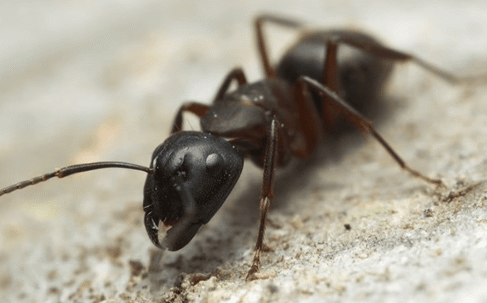
Odorous house ants are small, dark brown to black, and get their name from the smell they give off when crushed, often described as similar to rotten coconut. They're one of the most common ants found inside San Diego homes, and they tend to nest in wall voids, under flooring, or near sources of moisture like sinks and water heaters.
These ants are opportunistic feeders, drawn to sugary substances but just as willing to go after greasy or protein-based crumbs. A single colony can have multiple nesting sites connected to one another, which means the ants you see in the kitchen might be linked to a much larger network spread through the walls.
Argentine Ants: Fast-Moving Trails and Large Colonies
Argentine ants are light to dark brown and typically show up in long, steady trails moving along baseboards, countertops, or exterior walls. Unlike many ant species, Argentine ant colonies often have multiple queens and can grow to include thousands of workers spread across several connected nests.
This species is strongly drawn to moisture and sugary residue, which is part of why they're so active during San Diego's dry summer months. Outdoor water sources become scarce, and a kitchen sink or a pet's water bowl becomes a reliable target. Because their colonies are so large and interconnected, a trail near one entry point often signals activity spreading through several other areas of the property at the same time.
What's Actually Attracting These Ants Into Your Home
A few conditions tend to show up again and again in homes dealing with odorous house ants or Argentine ants:
- Moisture sources, such as leaky pipes, condensation around AC units, or damp areas under sinks
- Accessible food, including pet food left out overnight, spilled sugar or syrup, and unsealed pantry items
- Entry points, like gaps around utility lines, cracks in the foundation, or unsealed weep holes in stucco
- Overhanging vegetation, such as tree branches or shrubs touching the exterior walls, which act as a bridge for ants moving from soil to siding
Most homes have at least one or two of these factors present, and it usually takes a combination of them to create the kind of steady ant activity reported most often in the summer.
Why DIY Treatments Often Don't Hold Up Against These Ants
Store-bought sprays can knock down the ants you see on the counter, but they rarely address the colony behind them. With both odorous house ants and Argentine ants, the population you see foraging is often a small fraction of a much larger network of connected nests, some tucked into wall voids, others spread through soil along the foundation.
Spraying visible trails can also cause a colony to scatter and split, leading to new satellite nests forming in different parts of the property. This is one reason homeowners often see ants return within a week or two of treating them on their own, sometimes in a different room than before.
How HomeShield Pest Control Approaches Ant Activity
Our process starts with a thorough look at the property, not just the spot where you're seeing ants. Our team takes the time to identify entry points, moisture sources, and likely nesting patterns for whichever species is present, since odorous house ants and Argentine ants behave differently and often call for different approaches. From there, we apply products chosen for the situation at hand, using methods designed to limit unnecessary exposure for your family and pets while still addressing the colony directly.
Because every property has its own layout, landscaping, and history with pests, we don't rely on a generic approach. Each visit is shaped by what we actually find on-site, and our technicians take the time needed to look closely rather than rushing through a checklist.
Simple Steps That Can Help Reduce Ant Activity
While a full inspection is the best way to address an established ant problem, a few habits can help in the meantime:
- Wipe down counters and sweep floors regularly, especially after cooking
- Store sugar, cereal, and pet food in sealed containers
- Fix leaky faucets and check under sinks for hidden moisture
- Trim back branches and shrubs touching the exterior of the home
- Seal visible gaps around windows, doors, and utility entry points
These steps won't eliminate an existing colony, but they can make a home less appealing to new ant activity moving forward.
A Bit About HomeShield Pest Control
HomeShield Pest Control has provided pest management services since 2009, starting in the Sacramento area and growing to serve communities across the Bay Area, Orange County, Los Angeles, San Diego, the Inland Empire, and South Florida. Our approach has stayed the same wherever we work: take the time to listen, look closely at each property, and apply solutions that fit what's actually happening there. We're not focused on being the biggest name in pest control. We're focused on building relationships with the people we work with and following through with care, visit after visit. You can read more about that approach on our reviews page, where customers across our service areas share their experiences.
Ants Piling Up? Here's What to Do Next.
If odorous house ants or Argentine ants have picked up their activity in your San Diego home this summer, waiting it out usually just gives the colony more time to grow. HomeShield Pest Control offers free estimates, same-day service, and emergency services when ant activity calls for a quicker response. Reach out to schedule a visit, and take a look at the full list of areas we serve to confirm we're active in your part of San Diego.
Ants are persistent, but so is a thorough look at what's drawing them in. A little attention now can go a long way toward a quieter summer indoors. Contact HomeShield Pest Control to schedule an estimate.