
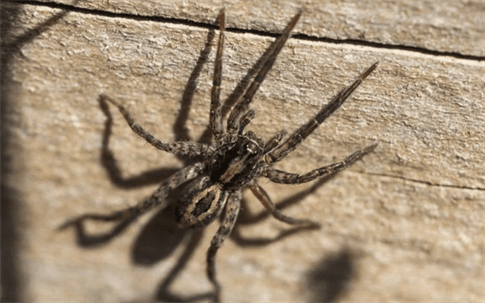
To control spiders in your home during spider season, you must eliminate their insect food source, clear webs and egg sacs regularly, seal exterior entry points, and reduce indoor moisture. Spider activity surges in late summer and autumn as adult spiders search for mates and hunt insects attracted to warmer weather. By taking away their harborage spots and controlling general insect populations around your foundation, you reduce the likelihood of spiders establishing webs inside your living spaces.
Understanding Spider Season in Los Angeles
Late summer and autumn mark the peak of spider activity across Southern California. During this period, mature male spiders venture out in search of females, making them much more visible in living rooms, garages, and patio spaces.
Homes in Los Angeles are particularly appealing to common species like house spiders, cellar spiders, and orb weavers, as well as medically significant species like the western black widow. Spiders are predators that follow their food. If your home or yard has active populations of flies, mosquitoes, moths, or ants, spiders will naturally settle nearby to build webs and hunt.
Essential Steps to Manage Spiders Around Your Home
We recommend a targeted routine to reduce spider activity around your living spaces.
1. Control the Insects Spiders Hunt
Since spiders settle where food is plentiful, managing general pest activity is the most critical step.
Turn Off Unnecessary Lighting: Outdoor lights attract flying insects at night, drawing spiders to build webs around doorways and window frames. Swap white bulbs for warm yellow LED lights, which draw far fewer insects.
Manage Organic Waste: Keep trash cans tightly sealed and move compost bins away from your home’s exterior walls to avoid attracting flies and gnats.
2. Seal Exterior Access Points
Spiders can crawl through microscopic gaps around your home's exterior envelope.
Repair Window Screens: Fix tears or gaps in window and door screens to keep crawling pests outdoors.
Install Door Sweeps: Fit tight-fitting sweeps on all exterior doors, especially garage doors that sit flush with the driveway.
Seal Utility Openings: Use caulk or silicone sealant to close cracks around pipe penetrations, cable entries, and exterior foundations.
3. Clear Webs and Declutter Storage Areas
Regular cleaning removes active webs, egg sacs, and dark hiding spots.
Vacuum Dark Corners: Regularly vacuum behind furniture, under beds, inside closets, and along baseboards where spiders prefer to rest.
Remove Outdoor Webs: Sweep away webs on porches, eaves, and outdoor light fixtures using a web removal brush or high-reach pole.
Switch to Plastic Tubs: Replace cardboard storage boxes in basements, attics, and garages with sealed plastic containers. Cardboard provides ideal crevices for spiders to lay eggs.
Areas We Serve and Customer Reviews
At HomeShield Pest Control, we are dedicated to helping homeowners manage seasonal pest challenges through careful, detailed property inspections and treatments. You can explore the communities we protect across Southern California and beyond on our areas we serve page. To read real stories about our commitment to thorough care and clear communication, visit our reviews page.
Long-Term Defense Against Seasonal Pests
While light DIY preventative measures help reduce webs around entryways, managing recurring spider activity often requires addressing underlying insect populations around your foundation. We take the time necessary on every property visit to carefully inspect dark corners, crawl spaces, and exterior walls, applying safe products with precision to treat pest activity at its source.
If you are noticing increased spider activity in your Los Angeles home, contact HomeShield Pest Control today. We offer free estimates, same-day service, and emergency responses to keep your home comfortable and pest-free throughout spider season.