
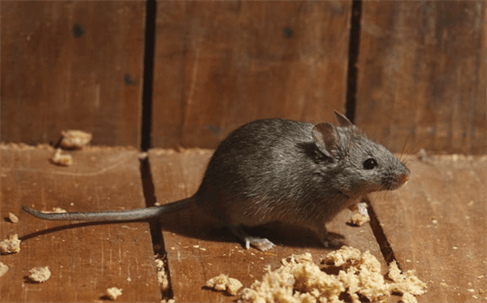
To rodent-proof your home before winter, you must seal external gaps larger than a quarter inch, secure all potential food and water sources, trim surrounding foliage, and clear out clutter in quiet storage areas. Rodents actively search for warmth, shelter, and sustenance as temperatures drop, making late autumn the ideal time to fortify your perimeter. Addressing these vulnerable access points early prevents mice and rats from nesting inside your walls and attic during the coldest months of the year.
Why Winter Drives Rodents Indoors
As seasonal temperatures fall, natural food sources vanish, and outdoor survival becomes difficult for mice and rats. Your home provides an ideal shelter with warmth, water, and steady food supplies.
Rodents possess flexible skeletons, allowing a mouse to squeeze through an opening as small as a dime and a rat through a hole the size of a quarter. Once inside, they cause structural damage by chewing through insulation, drywall, and electrical wiring, which can create serious fire hazards. Taking proactive steps before the first freeze helps keep your property secure.
Essential Steps to Rodent-Proof Your Home
We recommend a systematic approach to seal off your living space before winter arrives.
1. Inspect and Seal External Entry Points
Examine your home's exterior foundation, walls, and roofline for gaps. Pay close attention to:
Utility Lines: Fill small gaps around pipe penetrations with steel wool and silicone caulk. Rodents cannot easily chew through steel mesh.
Doors and Windows: Install heavy-duty weather stripping along door frames and attach door sweeps to ground-level entryways.
Vents and Chimneys: Install durable wire mesh screens over foundation vents, attic gables, and chimney caps.
2. Eliminate Attractants and Food Sources
Rodents rely on keen senses to track down food. Depriving them of sustenance encourages them to move elsewhere.
Store Pantry Items Securely: Move flour, grains, cereal, and pet food from soft bags and cardboard boxes into airtight glass or hard plastic containers.
Manage Waste: Keep kitchen trash in tightly sealed bins and empty them frequently. Ensure outdoor garbage cans have secure, latching lids.
Pick Up Pet Food: Avoid leaving pet dishes out overnight, both indoors and in garages or patios.
3. Clear Landscape and Storage Overgrowth
Outdoor harborages give rodents a safe launchpad into your home.
Trim Branches: Cut back tree branches and heavy shrubbery at least six feet away from your roofline and siding to eliminate easy climbing routes.
Elevate Firewood: Stack firewood off the ground and keep it at least twenty feet away from your home’s exterior walls.
Declutter Storage Areas: Organize basements, garages, and attics using plastic storage bins rather than cardboard boxes, which mice frequently use for nesting material.
Areas We Serve and Customer Reviews
At HomeShield Pest Control, we take pride in serving homeowners and businesses with careful, thorough pest management. You can explore the communities we cover across California and Florida on our areas we serve page. To see how we prioritize quality, clear communication, and customer care on every visit, take a moment to read stories directly from our clients on our reviews page.
Professional Inspections Bring Peace of Mind
While DIY preparations go a long way, hidden entries along rooflines or inside crawl spaces can be tough to identify without a trained eye. We take the time needed to thoroughly evaluate your property, uncover subtle pest pressures, and apply safe, targeted methods that protect your family and pets.
If you suspect rodent activity or want to prepare your home before cold weather sets in, reach out to HomeShield Pest Control today. We offer free estimates, same-day service, and emergency responses to keep your living space comfortable and secure all season long.